Planet Earth: The Only Home We’ve Got (And Why It Deserves Better)

What Makes Planet Earth So Special?
Out of billions of known planets in the universe, Planet Earth is the only one confirmed to support life. That alone makes it extraordinary. But what truly sets Earth apart isn’t just that life exists here — it’s how perfectly balanced everything is.
Think about this:
- We’re the right distance from the Sun.
- We have liquid water.
- Our atmosphere protects us from harmful radiation.
- Our magnetic field shields us from solar winds.
- We have stable gravity that holds everything together.
If Earth were slightly closer to the Sun, oceans could evaporate. Slightly farther, they could freeze. This “just right” positioning is often called the Goldilocks Zone — not too hot, not too cold.
And yet, despite this near-perfect balance, human activity is rapidly shifting the systems that make life possible.
A Quick Snapshot of Planet Earth
Here are some key facts about our home:
- 🌍 Age: About 4.5 billion years
- 🌊 Surface: 71% water, 29% land
- 🌬 Atmosphere: Mostly nitrogen (78%) and oxygen (21%)
- 🌡 Average surface temperature: Around 15°C (59°F)
- 🌱 Biodiversity: Millions of species — many still undiscovered
Every breath you take, every meal you eat, every drop of water you drink is made possible by Earth’s finely tuned systems.
Earth’s Life-Support Systems (And How They Work)
Planet Earth operates like a giant, interconnected machine. Nothing exists in isolation.
1. The Atmosphere: Our Invisible Shield
The atmosphere protects us from harmful solar radiation and helps regulate temperature. Without it, Earth would be as lifeless as the Moon.
Real-life example:
If you’ve ever noticed how deserts get extremely hot during the day and freezing at night, that’s because they have less atmospheric moisture to trap heat. Multiply that effect globally — and life becomes impossible.
2. The Water Cycle: Nature’s Recycling System
Water constantly moves through evaporation, condensation, and precipitation.
- Rain fills rivers.
- Rivers feed oceans.
- Oceans evaporate into clouds.
- Clouds produce rain again.
When forests are cut down, this cycle gets disrupted. Less trees = less moisture in the air = less rainfall.
This is already happening in parts of the Amazon rainforest.
3. The Carbon Cycle: The Climate Regulator
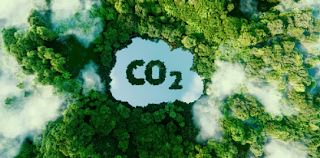
Plants absorb carbon dioxide (CO₂) and release oxygen. Oceans also absorb massive amounts of carbon.
But when we burn fossil fuels or destroy forests, we release stored carbon back into the atmosphere faster than natural systems can absorb it.
The result? Rising global temperatures.
Climate Change: The Biggest Challenge Facing Planet Earth
Climate change is no longer a future problem — it’s happening now.
We’re seeing:
- Stronger storms
- Longer heatwaves
- Melting glaciers
- Rising sea levels
- Increased wildfires
For example, coastal cities like Miami and parts of Southeast Asia are already dealing with flooding during high tides — even without storms.
Farmers worldwide are also struggling with unpredictable weather patterns. Crops that once thrived in certain regions are failing due to drought or extreme heat.
This affects food prices, water availability, and even political stability.
Biodiversity: Why Every Species Matters
Planet Earth is home to millions of species — from microscopic plankton to blue whales.
Biodiversity isn’t just about beauty. It’s about survival.
- Bees pollinate crops.
- Forests purify air.
- Wetlands filter water.
- Predators maintain ecological balance.
When one species disappears, it can trigger a chain reaction.
Real-life example:
If bee populations collapse, global food production could drop significantly because many crops depend on pollination.
Losing biodiversity means weakening Earth’s natural defense systems.
The Role of Oceans in Earth’s Stability
Oceans cover more than 70% of Planet Earth’s surface. They are not just vast bodies of water — they regulate climate, absorb carbon, and generate oxygen.
Did you know?
- Oceans produce over 50% of the oxygen we breathe.
- They absorb about 25–30% of human-produced CO₂.
- They store heat and prevent extreme temperature swings.
However, oceans are under stress:
- Plastic pollution
- Overfishing
- Coral bleaching
- Ocean acidification
Coral reefs, often called the “rainforests of the sea,” are disappearing at alarming rates due to warming waters.
Everyday Habits That Impact Planet Earth
It’s easy to feel powerless, but daily decisions matter more than you think.
Here’s how:
Transportation
- Driving less reduces carbon emissions.
- Carpooling or public transport lowers pollution.
Food Choices
- Reducing food waste saves water and energy.
- Eating more plant-based meals reduces carbon footprint.
Energy Use
- Turning off lights.
- Using energy-efficient appliances.
- Switching to renewable energy when possible.
Waste Management
- Recycling correctly.
- Avoiding single-use plastics.
- Composting organic waste.
If one household cuts its electricity usage by 10%, the effect might seem small. But multiply that by millions of households — the impact becomes massive.
Planet Earth and Future Generations
Imagine explaining to a child in 2050 why glaciers disappeared or why certain animals only exist in history books.
Future generations will inherit the version of Planet Earth we leave behind.
This isn’t just about polar bears or distant forests. It’s about:
- Clean drinking water
- Stable food systems
- Safe housing
- Economic security
Sustainability is not a political slogan. It’s long-term survival planning.
The Power of Innovation and Human Ingenuity
The good news? Humans are capable of incredible innovation.
We’re seeing rapid growth in:
- Solar and wind energy
- Electric vehicles
- Carbon capture technology
- Sustainable agriculture
- Biodegradable materials
Countries and companies are investing heavily in green technologies. While progress isn’t perfect, it shows that solutions exist.
The question isn’t whether we can protect Planet Earth — it’s whether we will act fast enough.
Frequently Asked Questions (FAQ)
1. Why is Planet Earth the only known planet with life?
Earth has liquid water, a protective atmosphere, and the right temperature range. These conditions create a stable environment for life to develop and thrive.
2. Is climate change reversible?
Some effects can be slowed or partially reversed, but many changes (like glacier loss) take centuries to recover. Immediate action reduces long-term damage.
3. How does deforestation affect Planet Earth?
Deforestation reduces carbon absorption, disrupts rainfall patterns, destroys habitats, and contributes to climate change.
4. What is the biggest threat to Earth right now?
Climate change, biodiversity loss, and pollution are interconnected threats. Together, they weaken Earth’s life-support systems.
5. Can individual actions really make a difference?
Yes. While systemic change is critical, collective individual actions influence markets, policies, and cultural norms.
Why Awareness Isn’t Enough
We live in the most informed era in history. Data about Planet Earth is everywhere. Yet awareness without action changes nothing.
The truth is simple:
- Earth doesn’t need us.
- We need Earth.
Civilizations have collapsed before due to environmental mismanagement. But today, the scale is global.
Every decision — from energy policy to what we buy at the supermarket — contributes to shaping Earth’s future.
A Strong Conclusion: The Responsibility Is Ours
Planet Earth is not just a planet. It’s a living, breathing system that has supported life for billions of years. It has survived asteroids, ice ages, and massive geological shifts.
But it has never faced pressure like modern industrial human activity.
We stand at a defining moment.
We can continue on a path of short-term convenience — or we can shift toward long-term sustainability.
Protecting Planet Earth isn’t about politics or trends. It’s about survival, responsibility, and legacy.
The air in your lungs, the water in your glass, the soil that grows your food — they all come from this one fragile world.
And there is no backup planet.
The future of Planet Earth is not written yet. It’s being decided right now — by what we choose to do next.


Comments
Post a Comment